Understanding AI-Driven Predictive Analytics
A look into how AI enhances forecasting and decision-making.
The integration of artificial intelligence (AI) into predictive analytics has revolutionized the way organizations forecast trends and make informed decisions. With the ability to analyze vast amounts of data swiftly and accurately, AI enhances the capabilities of traditional predictive analytics methods. This article delves into how AI-driven predictive analytics improves forecasting accuracy across various sectors, including finance, healthcare, retail, and manufacturing, thereby transforming strategic decision-making processes.
As businesses increasingly rely on data, the role of AI in predictive analytics becomes more crucial.
The Evolution of Predictive Analytics
Predictive analytics has its roots in statistics and data mining, evolving significantly with the advent of more advanced computational algorithms and technologies. Initially, predictive models were built using linear regression and other traditional statistical techniques, which often struggled with the complexity and volume of modern data. However, the introduction of machine learning and deep learning has allowed for the development of models that can identify patterns and correlations in large datasets more effectively.
AI’s role in predictive analytics lies in its ability to leverage algorithms that improve over time through exposure to data. For example, machine learning algorithms can adapt to new data inputs, refining their predictions based on past performance. This adaptability is particularly valuable in fast-paced environments, such as stock trading, where market conditions can change rapidly.
“AI-driven predictive analytics enables organizations to anticipate future outcomes with a degree of accuracy previously unattainable.”
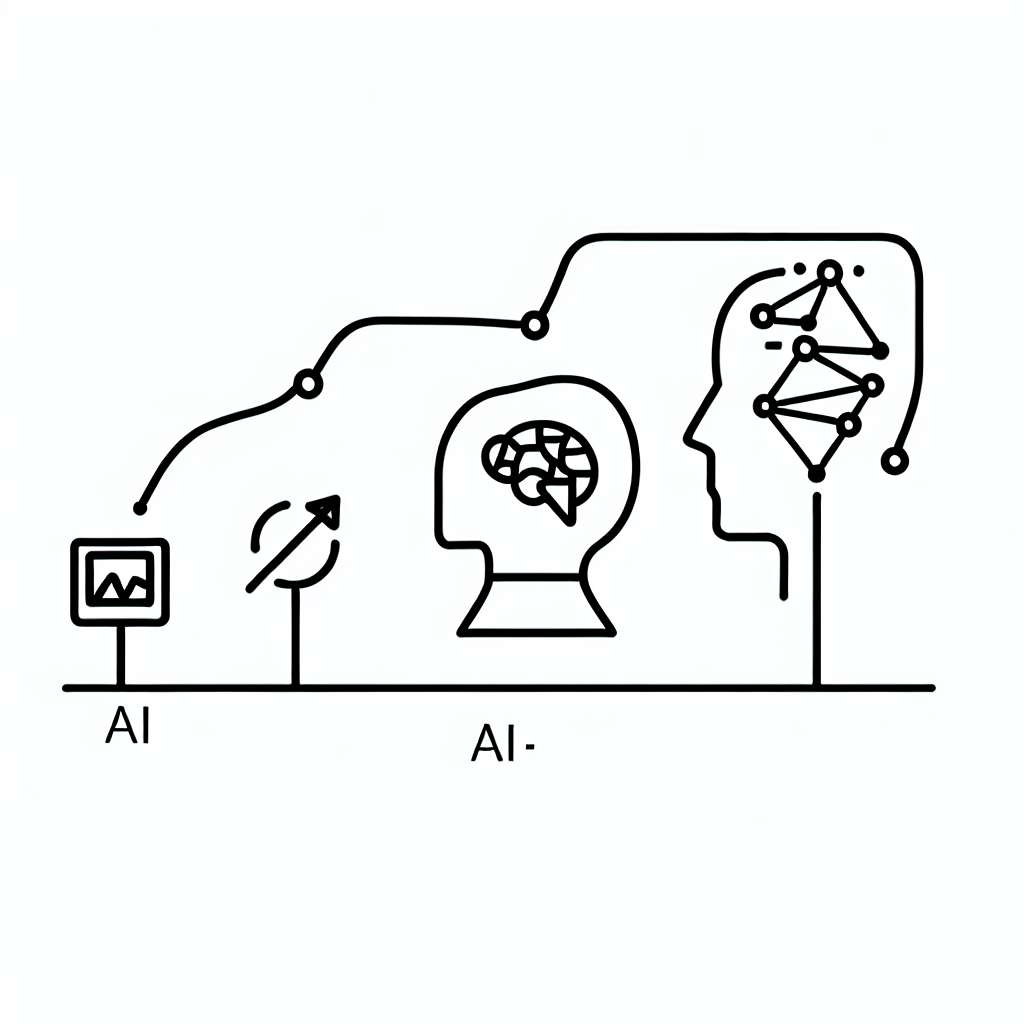
Moreover, the combination of AI with predictive analytics allows businesses to harness unstructured data, such as text, images, and social media interactions. This capability significantly broadens the scope of data that can be analyzed, leading to richer insights and more robust forecasts.
Applications Across Various Sectors
AI-driven predictive analytics finds applications in numerous sectors, each benefiting from its enhanced forecasting abilities. In finance, for instance, organizations use predictive models to assess credit risk, detect fraud, and optimize trading strategies. By analyzing historical transaction data and identifying trends, AI can alert financial institutions to potential risks before they manifest.
In healthcare, predictive analytics plays a critical role in patient care management. Hospitals use AI to predict patient admissions, optimize resource allocation, and identify individuals at risk of developing certain conditions. These predictions enable healthcare providers to intervene earlier, improve patient outcomes, and reduce costs.
Retail is another sector significantly transformed by AI-driven predictive analytics. Retailers analyze customer behavior, purchasing patterns, and seasonal trends to optimize inventory management and enhance marketing strategies. By understanding when and what customers are likely to buy, businesses can tailor their promotions and stock levels, minimizing waste and maximizing sales.
Manufacturing firms are leveraging predictive maintenance models to reduce downtime and enhance operational efficiency. By predicting when machinery is likely to fail based on historical performance data, manufacturers can schedule maintenance proactively, thereby avoiding costly disruptions in production.
Enhancing Forecasting Accuracy

The accuracy of forecasts generated through AI-driven predictive analytics is a crucial factor that can influence strategic decision-making. Traditional methods often rely on static models that can become outdated, especially in dynamic environments. In contrast, AI models continuously learn from new data, allowing for real-time adjustments and more precise predictions.
Research indicates that organizations employing AI-driven predictive analytics can achieve significantly higher accuracy rates compared to those relying solely on traditional methods. This enhanced accuracy not only aids in risk management but also supports long-term strategic planning. Companies can make data-driven decisions with greater confidence, knowing that their forecasts are based on the most current and comprehensive data available.
Furthermore, AI’s capability to integrate various data sources enhances the robustness of predictive models. By synthesizing data from internal systems, market trends, and even social media sentiment, organizations can create a more holistic view of the factors influencing their business environment.
“Accurate forecasting through AI-driven analytics empowers organizations to navigate uncertainty and seize opportunities.”
Challenges and Considerations
Despite the numerous benefits, the integration of AI in predictive analytics is not without challenges. One significant concern is the quality of data. AI models are only as good as the data fed into them; therefore, ensuring data integrity and accuracy is paramount. Poor quality data can lead to misleading predictions, ultimately impacting business decisions negatively.
Additionally, the complexity of AI algorithms can pose challenges regarding transparency and interpretability. Decision-makers may find it difficult to understand how a model arrived at a specific prediction, which can hinder trust in the system. As organizations increasingly rely on AI for critical decisions, developing frameworks for explainable AI becomes essential. This ensures that stakeholders can comprehend and validate the reasoning behind predictive outcomes.

Lastly, ethical considerations surrounding data privacy and the potential for bias in AI models must be addressed. Organizations must implement robust governance frameworks to mitigate these risks and ensure responsible use of AI technologies in predictive analytics.
Future Trends in AI-Driven Predictive Analytics
Looking ahead, the future of AI-driven predictive analytics appears promising, with several trends likely to shape its evolution. The increasing availability of real-time data will enhance the capabilities of predictive models, allowing organizations to make more immediate and informed decisions. As IoT devices proliferate, the volume of data generated will continue to grow, providing a wealth of information for predictive analytics.
Moreover, advancements in natural language processing (NLP) will likely enable organizations to analyze vast amounts of unstructured text data more efficiently. This could lead to improved sentiment analysis and forecasting based on consumer opinions and social trends.
As AI technology continues to evolve, the ability to create more sophisticated predictive models will become more accessible to a broader range of organizations, not just those with extensive resources. This democratization of predictive analytics could lead to innovative applications across various sectors, fostering a more data-driven approach to decision-making.